Perimenopause
Navigating the Ups and Downs of Perimenopause
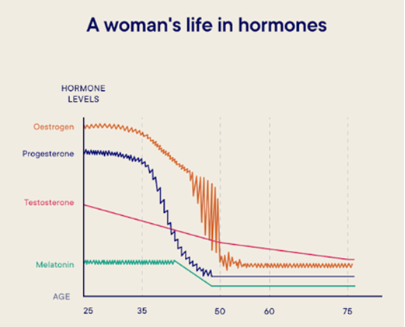
During perimenopause, your estrogen and progesterone levels start to fluctuate, leading to a cascade of effects throughout your body to come and go. This hormonal rollercoaster is the main reason behind those classic perimenopause symptoms shifting as hormones change.
Symptoms can start as early as late 30s and can last for up to 10 years:
- Weight gain and muscle loss
- Mood changes and brain fog
- Bladder and Vaginal Changes, like increased urgency, incontinence, vaginal dryness, and irregular cycles
- Hot flashes and night sweats
- Sleep issues
- Skin, hair, and bone changes
- Sexual changes like low libido
Menopause is a whole-body transition, not just a phase to “get through.”
Understanding the Impact
Many women don't realize things like hot flashes, sleep problems, mood changes, or even brain fog are all connected to these hormone shifts. It can be a lot to handle, and some women might feel like they're not up to the demands of their jobs anymore.
It's important for women to support each other through these changes. No one should struggle alone. Just like any other challenge, women can get through perimenopause together.
Get Informed
Prepare: Learn all you can about perimenopause, like what hormones are changing, common symptoms, and medication and lifestyle treatment options.
Get Ready
Impact: Menopause awareness is an imperative for women in the workforce and for their health, as supporting women through this natural transition enhances their well-being and strengthens the overall effectiveness in life. Symptoms can be erratic and leave women feeling like their performance is diminished. Talk to your supervisors, peers, and family members about what you are experiencing.
Get Empowered
Change what you can now: How you eat, move, and deal with stress can impact how your body responds in perimenopause. There are a ton of lifestyle interventions to reduce inflammation in your body, gain strength, and reduce stress.
Build Your Perimenopause Toolkit
Lifestyle changes with your nutrition, strength training, stress management and using medications or supplements when appropriate can help you manage your symptoms and focus your efforts on maintaining strength and health.
Incorporating a variety of habits and resources allows you to take control of your health again. Review common symptoms and tools to improve your perimenopause symptoms:

Weight Gain and Muscle Loss
What is Happening & What You Can Do
Declining estrogen levels during perimenopause contribute to increased belly fat called visceral fat, Visceral fat exacerbates hormonal imbalances and contributes to inflammation and insulin resistance.
Estrogen plays a role in maintaining muscle mass and testosterone stimulates muscle growth. With both hormones declining during perimenopause, muscle loss is common.
To help manage symptoms:
- Nutrition: Nourish your body to build strength and stabilize your blood sugar: Prioritize a balanced, whole-food diet
- Fuel your muscles and gut with protein and fiber. Eat enough protein using protein calculator, and aim for at least 25g/day of fiber.
- Add foods to restore good gut bacteria and reverse insulin resistance. Add anti-inflammatory foods like fatty fish, leafy greens, berries, and nuts, eat probiotic foods like sauerkraut, kimchi, kombucha, sour dough, and yogurt, and eliminate processed foods.
- Incorporate anti-inflammatory spices, like turmeric and cinnamon
- Eat a protein bedtime snack to prevent cortisol-induced blood sugar spikes
- Activity: Prioritize weight-lifting to build lean muscle, protect bone density, and improve metabolism. Building muscle and improving endurance, flexibility and balance can be done with exercises like weightlifting, yoga, low impact activity (walking, row machine or swimming), and endurance movement at zone 2 heart rate.
- Sleep and Stress: Poor sleep and high stress contribute to weight gain. Incorporate activities like spending time outdoors and practicing self-care.
- Supplements: Vitamin D (2000-5000 IU/day) and Creatine (5g/day) can support muscle function. Probiotics can help restore gut health.
- Medications: Discuss options with your doctor such as weight loss medications if appropriate or treatment of other conditions exacerbated by perimenopause.

Mood Changes and Brain Fog
What is Happening & What You Can Do
Estrogen influences mood and cognitive function, and its decrease can disrupt neurotransmitter signaling, increasing the risk of anxiety, depression, and difficulty concentrating.
While concerning, these cognitive changes are typically related to hormonal shifts. Various treatments include lifestyle changes and medications, such as supplements, mood stabilizers, and hormone therapy.
To help manage symptoms:
- Nutrition: Increase water if having hot flashes. Drink enough to keep urine pale straw color, typically aiming for at least half your weight in ounces of water. For example, if you weigh 200lbs, you would aim to drink 100 oz. of water/day.
- Movement: Regular movement helps to regulate emotions and reduce stress.
- Sleep: Practice good sleep hygiene. Aim for 7-9 hours/night.
- Stress Management: Limit smoking and alcohol intake. Prioritize social connections and stress-reducing activities.
- Seek Support: Consult your healthcare provider to discuss treatment options. Cognitive Behavioral Therapy addresses the interplay of body changes, thoughts and emotions. Medications and supplements for mood swings and depression related to hormone changes may help.

Sleep, Night Sweats, and Hot Flashes
What is Happening & What You Can Do
Perimenopause often disrupts women's sleep due to several hormonal shifts. Fluctuating follicle-stimulating hormone (FSH) and declining estradiol contribute to difficulty falling and staying asleep. Increased cortisol levels can further exacerbate sleep disturbances with blood sugar spikes in the night. Decreased progesterone causes reduced sleep quality and more anxiety.
Declining estrogen levels also trigger vasomotor symptoms like hot flashes and night sweats.
To help manage symptoms:
- Nutrition: Minimize triggers like spicy foods, caffeine, and alcohol, especially close to bedtime. Incorporate anti-inflammatory spices like turmeric, try tart cherry juice before bed, and consider a protein snack (at least 30g) before bed to stabilize blood sugar.
- Environment: Optimize your environment by lowering thermostats and using fans, layering with breathable bedding and clothing materials like cotton, linen, or silk, and taking cooler showers.
- Sleep: Establish a calming, consistent sleep routine, and practice techniques to aide in falling back to sleep such as progressive muscle relaxation, deep breathing, polyvagal therapy, and guided imagery. Consider downloading CBTi Coach app.
- Medication and Supplements: Talk to your provider. Hormone therapy or other options for vasomotor symptom management can be very helpful for hot flash and night sweat relief.

Bladder, Vaginal, and Sexual Changes
What is Happening & What You Can Do
Declining estrogen during perimenopause thins the vulva-vaginal wall, impacting bladder and vaginal structures. Sex drive can decrease as testosterone levels decrease and is further complicated by mood swings and other perimenopausal stressors./p>
These changes are called Genitourinary Syndrome of Menopause (GSM), often worsening without treatment:
- Genital symptoms include vaginal dryness, irritation, burning, and discharge.
- Sexual symptoms include painful intercourse due to decreased lubrication, low libido, and bleeding after sex.
- Urinary symptoms include urgency, leakage, increased infections, and frequent nighttime urination.
To help manage symptoms:
- Movement: Pelvic floor physical therapy aims to improve incontinence and painful intercourse. See Resources for links to home exercise guides or as your PCM for a physical therapy referral for local pelvic floor therapy.
- Menstrual cycle care: It is normal to experience changes in frequency, regularity, and character in your menstrual cycle. Track your menstrual cycle for changes in flow, duration, character, and timing. Prevention for pregnancy and treatment of perimenopause symptoms can be done at the same time. Discuss with your provider treatment options for perimenopause symptoms or to bring up concerns from significant changes.
- Vaginal care: For vaginal dryness and discomfort, try over-the-counter water-based lubricants and moisturizers. Several hormone therapy options are available for bladder and vaginal changes and low libido.
- Low libido care: Low libido can be influenced by hormonal and emotional factors. Open communication with your partner about body changes and any stress, anxiety, or relationship issues can be helpful in improving sexual drive.

Skin, Hair, and Bone Changes
What is Happening & What You Can Do
Declining estrogen levels during and after menopause significantly impact bone health, increasing the risk of osteoporosis and fractures.
Skin changes include thinning, dryness, wrinkles, and impaired healing, while hair becomes thinner, with potential for increased facial hair and more noticeable female pattern baldness.
To help manage symptoms:
- Movement: To reduce the risk of falls and fractures, focus on functional strength, flexibility and balance. Try Tai Chi, yoga, weightlifting, and modifiable functional movement programs.
- Skin care: Combat menopausal skin changes:
- For age spot prevention and thinning skin concerns, use a daily broad-spectrum sunscreen
- For dryness, swap soap for a mild cleanser and add a fragrance-free moisturizer with hyaluronic acid or glycerin
- For wrinkles from collagen loss, try retinoids or peptides
- For acne concerns, add a salicylic acid cleanser
- Hair care: Consult your PCM early for hair loss or unwanted hair treatment options. Consider unwanted facial hair removal options like waxing, laser hair removal, or hair removal creams.
- Medication and Supplements: Supplements like Vitamin D (2000-5000 IU/day) and calcium (1000-1300mg/day) benefit bone, skin, and hair health. Hormone therapy, particularly estrogen, can prevent osteoporosis.